
Getting Started with Cycling After 60
Build confidence, fitness, and joy on two wheels — whether you're returning to cycling or discovering it for the first time
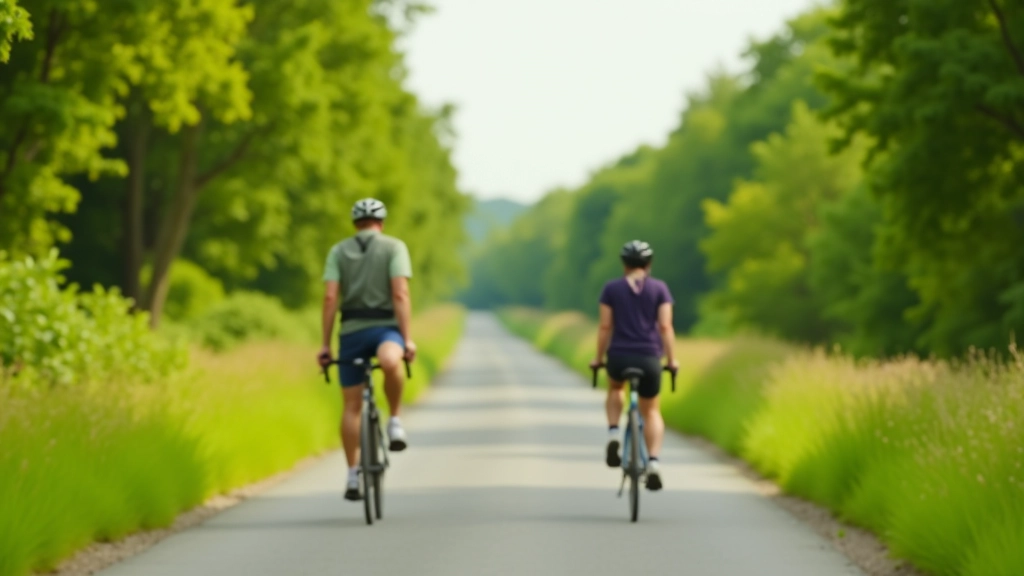
There's something about getting back on a bike after decades away. The worry comes first — can your body handle it? Will you remember how to balance? But here's the thing: cycling at 60-plus isn't the same as racing through your twenties. It's better, actually. You're not fighting yourself anymore. You know what your body needs, and you can give it exactly that.
The good news? Starting or restarting cycling is absolutely doable at any age. Thousands of people have done it, and they'll tell you the same thing: it gets easier faster than you'd think. Your legs remember. Your balance comes back. And within a few weeks, you'll feel stronger than you have in years.
What You'll Gain
- Low-impact cardio that's gentle on joints
- Leg and core strength without strain
- Mental clarity and stress relief
- Independence and freedom to explore
- A community of like-minded riders
Start Where You Are
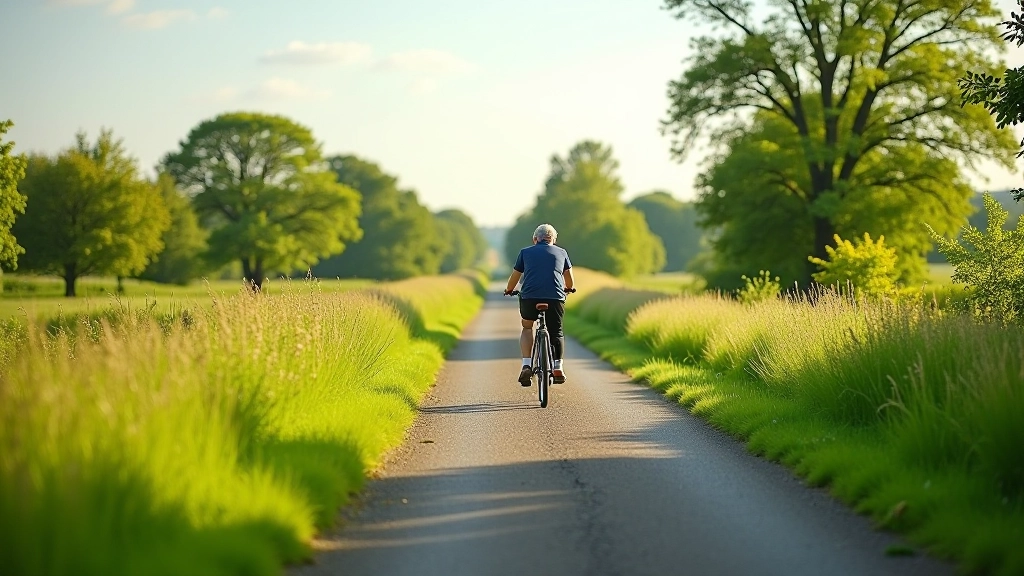
The biggest mistake people make? Expecting to ride 20 miles on day one. Don't do that. You're rebuilding your engine, and engines need time. Start small. We're talking 15-20 minute rides on flat, quiet paths. The Old Rail Trail between Athlone and Mullingar is absolutely perfect for this — it's flat, well-maintained, and beautiful without being intimidating.
Your first week should be about rediscovering how cycling feels. Pedal at a pace where you can still talk. Your legs shouldn't burn. Your breathing should be easy. If you're huffing and puffing, you're going too hard. Slow down. There's no race here.
Build your habit first. Aim for 2-3 rides per week, every other day. This gives your muscles time to recover and adapt. After 4-6 weeks, you'll notice your legs don't get tired as quickly. That's when you can start thinking about longer distances.
The Right Position Matters
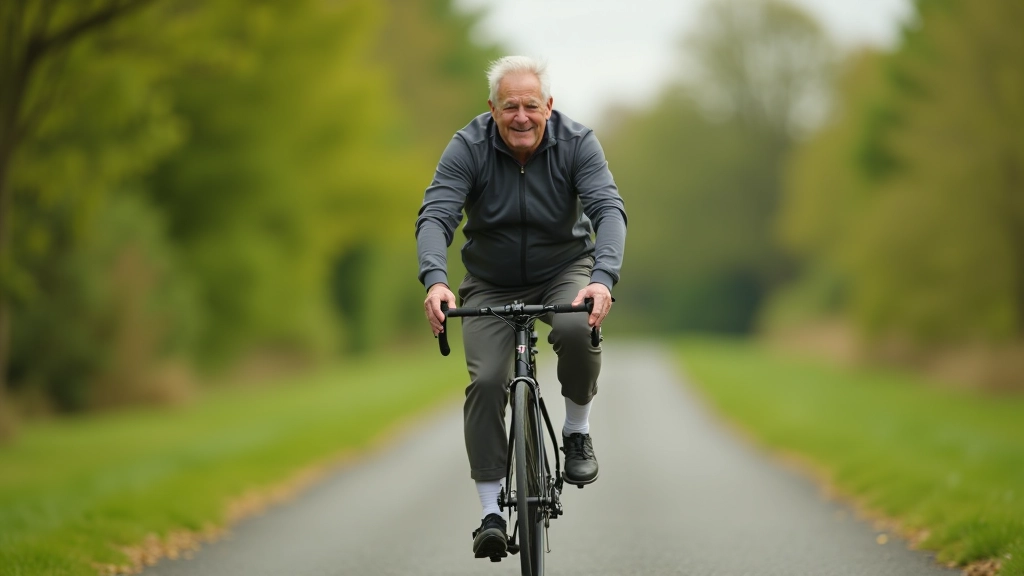
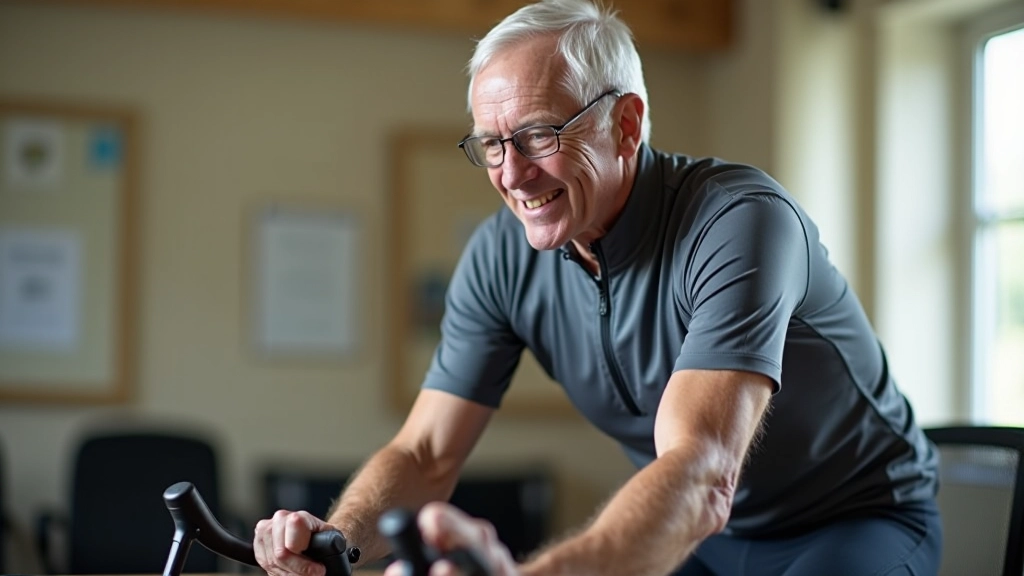
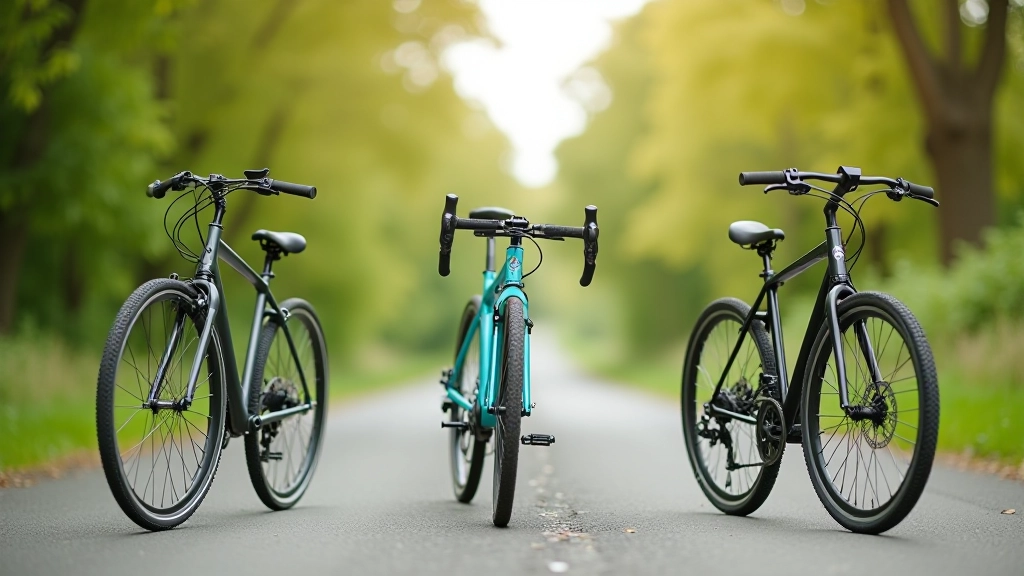
Saddle height is the thing most people get wrong, and it's crucial. Your knee should have a slight bend when the pedal is at the bottom of its stroke. If your leg straightens completely, you're too high. If your knee bends sharply, you're too low. Both cause pain.
Your seat should be level — not tilted up or down. Handlebars should be high enough that you're not folded forward like you're racing. You want an upright or slightly forward position, not aggressive. Your shoulders should be relaxed, not hunched.
Here's what'll happen: your hands might go numb on your first few rides. Your bottom might hurt. Your knees might feel weird. This is normal. It takes 3-4 rides for your body to adjust. Pad shorts help with the saddle soreness. Gloves help with numb hands. And stretching before and after riding helps everything.
Building Your Cycling Fitness: A Month-by-Month Approach
1
Weeks 1-2: Foundation
Three 15-20 minute rides on flat terrain. Easy pace. Focus on form and consistency, not speed.
2
Weeks 3-4: Endurance
Three 25-30 minute rides. Still easy pace. You're building aerobic fitness now. Your body's adapting.
3
Weeks 5-8: Confidence
Two longer rides (35-40 minutes) plus one shorter ride. Try gentle rolling terrain. You're feeling strong now.
4
Week 9+: Your New Normal
You're cycling regularly now. Mix up distances and terrain. You've got your legs back. Now enjoy the ride.
Continue Your Cycling Journey
Real Tips That Actually Help
Hydration Is Non-Negotiable
Bring water. Seriously. A small bottle in a cage works fine. Drink before you're thirsty. Dehydration makes everything harder and isn't worth it.
Time Your Rides Right
Early morning or late afternoon beats midday heat. You'll feel better, enjoy it more, and stay safer. Plus the light is beautiful.
Listen to Your Body
Muscle soreness is normal. Sharp pain is not. If something hurts, stop. Rest days matter as much as riding days.
The Helmet Is Mandatory
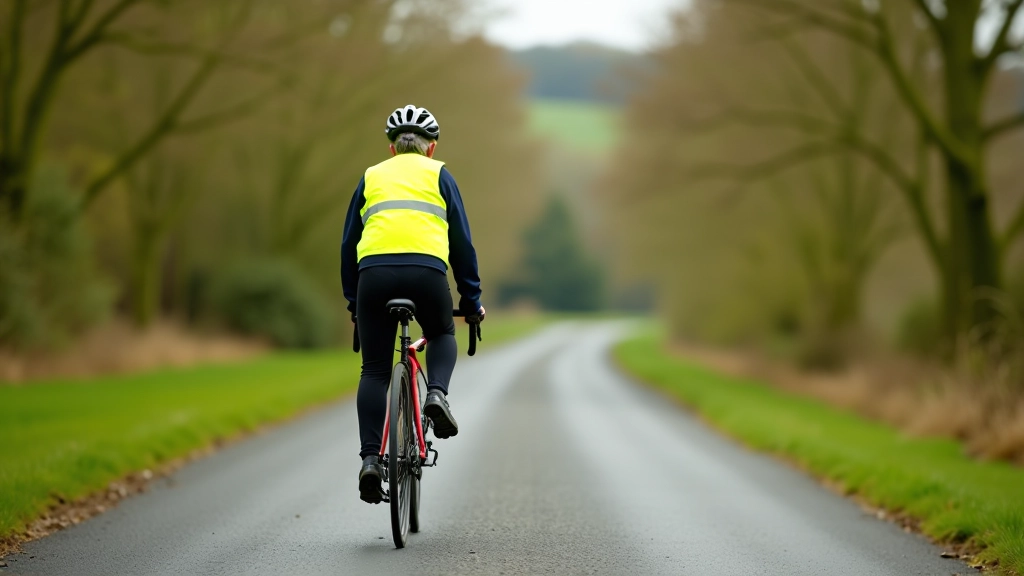
A fall at any speed can cause serious injury. Wear a helmet every single time. It's the one piece of gear that actually matters.
Basic Maintenance Saves Money
Learn to check tire pressure, clean your chain, and adjust your brakes. YouTube has great tutorials. You don't need to be a mechanic.
Find Your People
Local cycling clubs have group rides for beginners. Riding with others keeps you motivated and makes it more fun than solo.
The Mental Side of Starting Again
Here's something nobody talks about: the mental part is bigger than the physical part. You're probably nervous. You've aged. Your body feels different. You're worried you'll be slow or look silly. That voice in your head saying "you're too old for this" is loud.
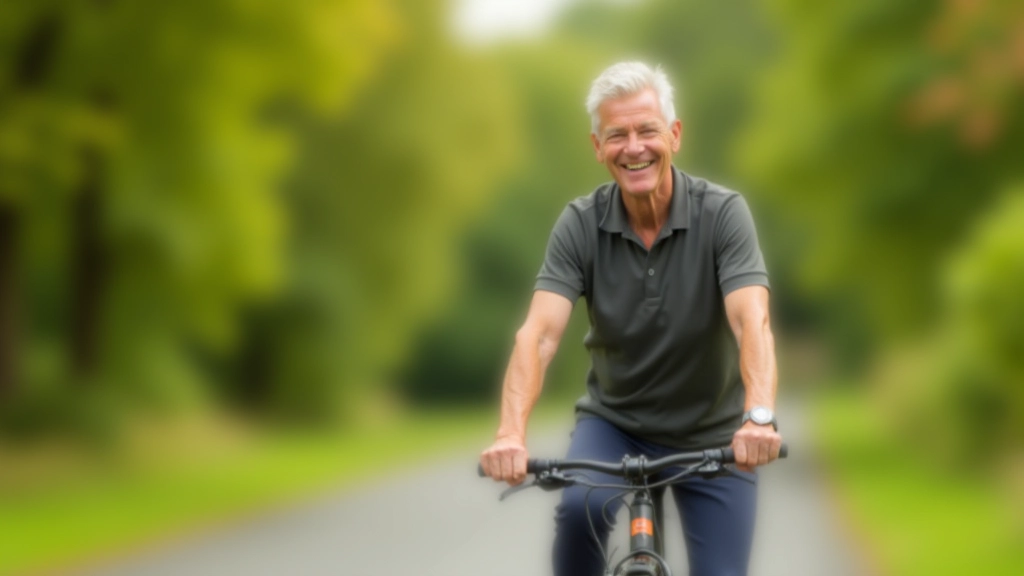
Ignore it. Or better yet, acknowledge it and pedal anyway. The fear disappears after your first ride. After your third ride, it's gone completely. After your tenth ride, you'll wonder why you were ever worried. You'll remember that your body is capable. That you're stronger than you think. That age is just a number and fitness is a choice.
The people you see cycling at 70, 75, 80? They all started somewhere. Most started exactly where you are now — nervous, uncertain, but willing to try. That willingness is the only thing you actually need.
Your First Ride Starts Today
You don't need to be fit. You don't need fancy gear. You don't need to be young. You just need a bike that fits, a flat place to ride, and the willingness to start small and build from there.
The Old Rail Trail is perfect for this. It's forgiving. It's beautiful. It's exactly what you need to fall back in love with cycling. Pick a morning next week. Get on the bike. Ride for 15 minutes at whatever pace feels comfortable. That's it. That's how it starts.
Your future self — the one who's cycling regularly, feeling strong, exploring new routes, and wondering why they waited so long — that person is waiting for you to make the decision. So make it. Today. Now.
Ready to explore cycling routes in your area? Check out our complete guide to the Old Rail Trail between Athlone and Mullingar.
Explore the Trail
Disclaimer
This article is for informational purposes about cycling for older adults. It's not medical advice. Before starting any new physical activity, especially if you have existing health conditions, consult with your healthcare provider. Individual results vary based on fitness level, health status, and personal circumstances. Cycling involves inherent risks — always wear appropriate safety gear and follow local traffic laws.